Evidence-based guide
Life Logging Ideas: 30 Useful Things to Track
Explore 30 practical life logging ideas for daily context, routines, wellness, memories, life admin, learning, and personal review.
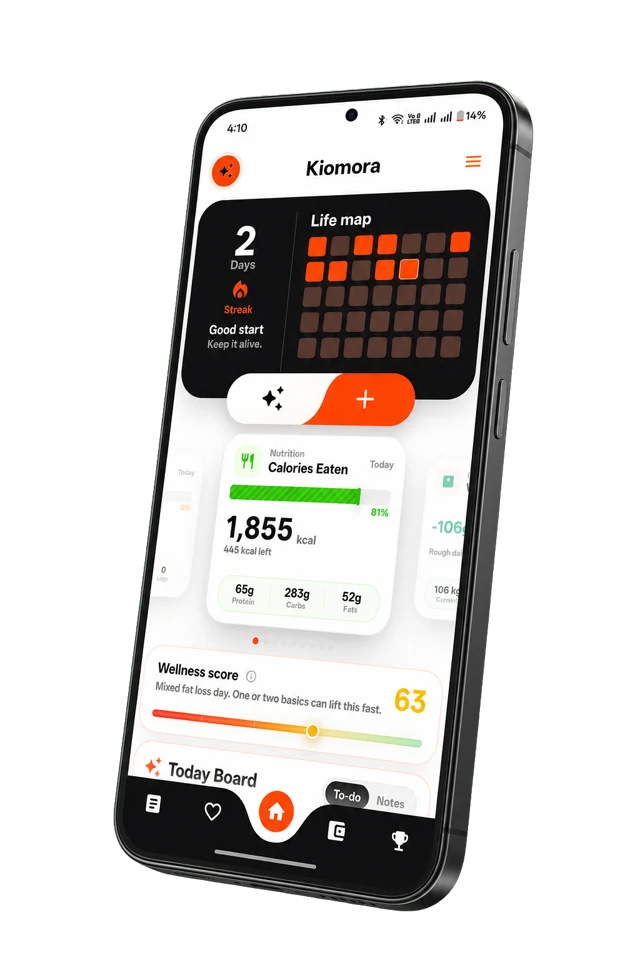
Kiomora for a useful record
Track less. Keep more.
Choose the parts of life that matter, then keep them in one record built for later review.
Explore KiomoraLife logging does not have to mean recording every location, message, or minute. A practical life log is a selected record of the details you want to remember, compare, or discuss later.
The best idea is not the most impressive metric. It is the detail that answers a real question. “Why do some workdays feel sustainable?” may call for sleep, energy, location, focused work, and one context note. “What made this year memorable?” needs people, places, photos, conversations, and decisions instead.
Choose what to log by question
Write down one question before adding a category. Then ask whether each field could help answer it. If you cannot imagine using a field during a weekly or monthly review, leave it out.
For a broader introduction, read what life logging is and how to start. The 30 ideas below are a menu, not a checklist.
Daily context
A few anchors can make the rest of the record easier to interpret.
- Wake and sleep times
- Energy at one consistent time
- The day’s main location
- One unusual event
- A one-sentence day summary
Routines and attention
Track the setup around a routine, not only a completed checkbox.
- One habit you are actively practicing
- Focused work or study blocks
- Intentional rest
- Top distraction or interruption
- One routine that felt easy
Wellness context
Keep factual observations and avoid treating a personal log as a diagnosis.
- Movement or exercise
- Meal timing and a plain-language note
- Mood in your own words
- Stress with the surrounding situation
- Restfulness after sleep
People and memories
These details often matter more later than another score.
- A conversation worth remembering
- People you spent time with
- A photo with one line of context
- Something that made you laugh
- A decision and why you made it
Life admin
A small record can preserve the reason behind practical changes.
- One unusual expense
- A purchase you want to review later
- An appointment or deadline
- A home or travel task
- A subscription or recurring cost noticed
Learning and progress
Use specific evidence instead of a vague sense that nothing changed.
- Something you learned
- A mistake that changed the next attempt
- A small win
- A question to investigate
- One next step
Four useful starter combinations
For better recall
Log one event, one person, one photo or sensory detail, and one sentence about why the moment mattered.
For work and attention
Log the top priority, focused time, main interruption, location, and energy. Review similar workdays rather than comparing every day equally.
For routines
Log one active habit, whether the day was planned, what cued the action, and what made it easy or difficult. Intentional rest should remain separate from a missed planned day.
For a calmer personal dashboard
Start with sleep timing, energy, movement, one habit, and a daily note. The personal life dashboard guide explains how to turn these into layers for today, trends, memories, and questions.
What not to track by default
Avoid collecting sensitive or continuous data simply because a device makes it possible. Location histories, private conversations, health records, financial details, and information about other people create real privacy and security responsibilities.
- Do not record another person without appropriate knowledge and consent.
- Do not keep a sensitive field when a less detailed version answers the same question.
- Check deletion, export, access, and privacy controls before trusting an app with a long-term record.
- Pause or reduce tracking if it creates guilt, anxiety, or compulsive checking.
A seven-day life logging experiment
- Choose one question.
- Select three to five fields from the list above.
- Use one capture method: a template, notebook, spreadsheet, or life logging app.
- Keep one free-text context line.
- Review after seven days.
- Remove one field that did not help.
- Add a field only when the review reveals a missing piece.
The free daily life tracker template gives you a copyable starting point. If you prefer a question-led entry, pair it with the daily reflection prompt generator.
Move from logging to using
A personal record earns its place when it helps you remember, prepare, discuss, or decide. Keep raw entries visible, use summaries as navigation rather than absolute truth, and preserve the context behind a number. The goal is not to create the largest archive. It is to create a record you can actually return to.
Common questions
Practical answers before you begin
- What are some useful things to track about your life?
- Useful options include sleep timing, energy, movement, focused work, one active habit, unusual expenses, conversations, decisions, and moments worth remembering. Choose categories based on a question you expect to revisit.
- Is life logging the same as journaling?
- They overlap. Life logging often combines structured facts with notes, photos, or measurements. Journaling may be more narrative. A practical personal record can use both.
- Can you track too much?
- Yes. Tracking can become time-consuming, intrusive, or anxiety-producing. Begin with three to five signals, avoid continuous capture by default, and remove anything that does not support memory or a decision.
Don't forget to try Kiomora
See more thanone detail
Keep the useful parts of each day in one record you can return to.
Explore Kiomora