Evidence-based guide
How to Start a Daily Log That You Will Actually Keep
Build a simple daily log with a small template, realistic capture routine, weekly review, and examples for work, wellness, and memory.
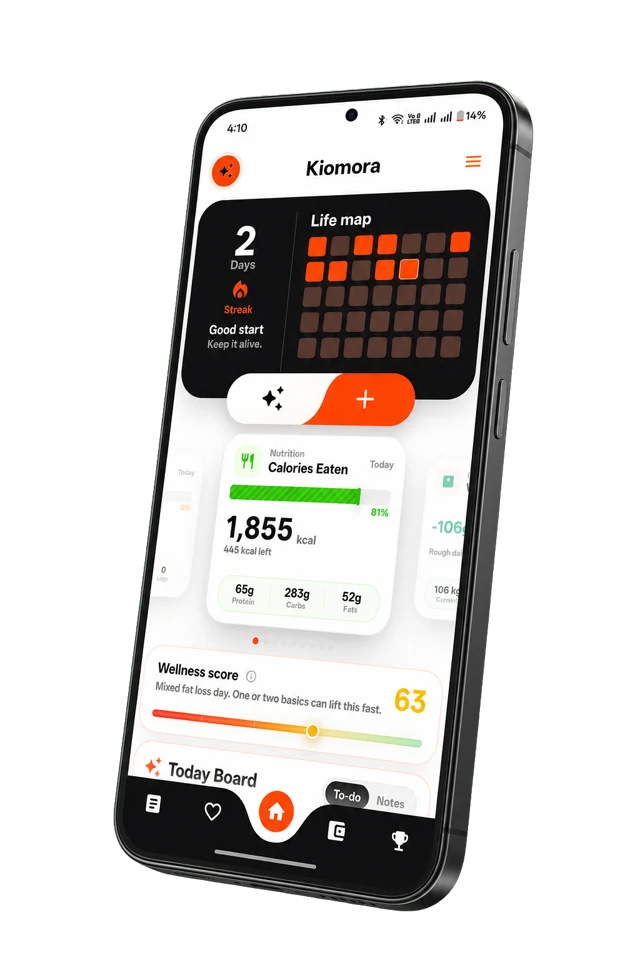
Kiomora for daily capture
Log it. Find it.
Use text, voice, or a photo, review the details, and keep the useful parts of each day together.
Explore KiomoraA daily log is a short record of what happened and what may matter later. It can hold a work decision, sleep and energy, a meal, an expense, a conversation, or a moment you would otherwise forget. It does not need to be a complete diary of every hour.
The most sustainable version answers one question: What will I be glad I recorded when I look back?
Daily log vs journal
A log tends to be factual and easy to scan: date, event, amount, status, or short note. A journal tends to leave more room for narrative and reflection. You do not have to choose one identity. A useful entry might begin with a factual line and end with two sentences about why it mattered.
Start with three parts
- What happened? Record one event, action, measurement, or decision.
- What was the context? Add the person, place, time, reason, or unusual circumstance.
- What should future you remember? End with a sentence, question, or next step.
Example: “Slept six hours after a late train. Energy was low before lunch, but the quiet library block went well. Keep tomorrow morning lighter.” The entry does not diagnose the low energy. It preserves enough context to compare similar days later.
Choose a small daily log template
Try this for seven days:
- Today: one to three events or actions.
- Context: one factor that shaped the day.
- Remember: one detail, person, or decision.
- Tomorrow: one useful next step.
Copy the free daily life tracker template if you want optional fields for sleep, energy, meals, movement, habits, focus, spending, and memory. Remove any field you resent filling in.
Pick a capture moment, not a perfect time
Choose a moment that already happens: after your last work task, while plugging in your phone, after dinner, or during a commute when voice input is safe and appropriate. The routine needs a reliable cue more than an exact clock time.
If evening logging repeatedly fails, capture small updates when they happen. A voice-first journal can reduce typing when you are walking or your hands are occupied. Always review important transcriptions and structured details before saving.
Define the minimum version
Your minimum can be one sentence: “Today mattered because...” On a busy or difficult day, that line keeps the record honest without turning consistency into pressure. A missed day does not need a reconstructed entry from memory. Continue with the next day and note the gap only if the reason matters.
Three daily log examples
Work and focus
“Finished the onboarding draft before 2 PM. The library was quieter than home, and putting the phone in my bag helped. Ask Maya about the final screenshot tomorrow.”
Wellness context
“Walked for 35 minutes after lunch. Slept later than usual and felt tired in the afternoon. Do not treat one day as a pattern; compare with the rest of the week.”
Memory and relationships
“Dinner with Dad at the small Punjabi place near the station. He told the story about his first job again, but this time mentioned the red bicycle. Save that detail.”
Review once a week
A log becomes useful when you return to it. Spend ten minutes asking:
- Which moments or wins do I want to keep?
- What context repeated?
- Which field produced no useful insight?
- What question should I carry into next week?
Use the weekly review template for a guided version. Treat repeated observations as questions, not proof of cause.
Avoid four common mistakes
- Too many required fields. Start with four or fewer.
- Only tracking ideal behavior. Rest, changes, and imperfect days belong in the record.
- Ratings without context. Add one line behind a score.
- Never reviewing. Delete fields that do not help memory or decisions.
When you do not know what to write
Use one question from the free daily reflection prompt generator. The goal is not to produce a polished essay. It is to preserve a useful part of the day in language you can find again.
Common questions
Practical answers before you begin
- What should I write in a daily log?
- Start with what happened, one piece of context, and what you want to remember. Add a metric or habit only when it helps answer a real question later.
- What is the difference between a daily log and a journal?
- A daily log usually emphasizes brief factual capture and retrieval. A journal may focus more on narrative or feelings. One entry can contain both.
- How do I stay consistent with a daily log?
- Attach it to an existing moment, keep a tiny minimum version, allow missed days, and review once a week. Reduce fields when the routine starts to feel like administration.
Don't forget to try Kiomora
See more thanone detail
Keep the useful parts of each day in one record you can return to.
Explore Kiomora