Evidence-based guide
Daily Log vs Journal: What Is the Difference?
Compare a daily log with a journal, see examples of each, and choose a simple format you can keep without turning reflection into homework.
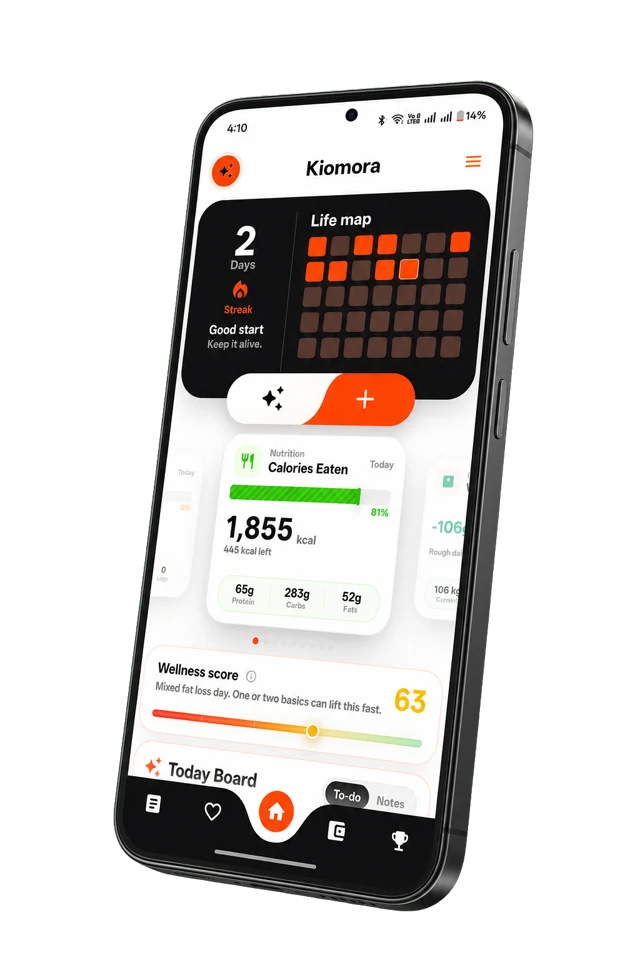
Kiomora for daily context
Your life, connected
Keep habits, wellness, spending, notes, and memories together so the details stay useful later.
Explore KiomoraA daily log answers what happened? A journal often explores what did it mean to me? They can overlap, but they are not identical.
The distinction matters because many people abandon journaling after choosing a format that demands more time than they can regularly give. You do not need a long entry to preserve a useful day.
What is a daily log?
A daily log is a dated record of selected events, actions, measurements, or decisions. It can be factual and brief:
- Walked for 25 minutes after lunch.
- Finished the first draft of the assignment.
- Had coffee at 4:30 pm and went to bed later than planned.
- Called Maya about the trip next month.
The value comes from consistency and retrieval. A useful log contains enough context to be found and understood later.
What is a journal?
A journal gives more space to reflection, emotion, narrative, or private thinking. The same walk might become: “I went outside because I could not focus. The quiet helped, and I returned with a clearer idea for the opening paragraph.”
Neither format is more meaningful by default. A factual log can preserve an important memory. A long journal entry can still be difficult to search if it contains no concrete dates, names, or events.
Daily log vs journal at a glance
| Question | Daily log | Journal |
|---|---|---|
| Main purpose | Preserve events and useful facts | Explore thoughts and meaning |
| Typical length | One line to a short list | A paragraph or longer entry |
| Best time to capture | During the day or in a quick recap | When you have space to reflect |
| Review value | Dates, patterns, and recall | Context, emotion, and personal narrative |
| Main risk | Too little context | Too much writing friction |
A practical way to combine them
- Log the event. Record what happened in one concrete sentence.
- Add one useful field. This might be time, duration, amount, person, place, or category.
- Reflect only when useful. Add why it mattered, what changed, or what you want to remember.
For example: “Studied contract law for 55 minutes at the library. Focus improved after putting my phone away.” The first sentence is the log. The second is the reflection.
Which one should you choose?
Choose a daily log when your main problem is forgetting what happened, losing information across apps, or struggling to maintain long entries. Choose a journal when you want uninterrupted thinking, emotional reflection, or a fuller narrative.
If you are unsure, start with the smaller promise. Use the free daily life tracker template, then add longer writing only when the day genuinely needs it.
Common questions
Practical answers before you begin
- Is a daily log the same as a journal?
- Not exactly. A daily log usually records what happened in a compact, factual format. A journal gives more space to thoughts, feelings, interpretation, or a longer story.
- Can I use both in the same app?
- Yes. A short log can preserve the date, event, and useful fields, while an optional note can capture why the moment mattered.
- Which format is easier to maintain?
- A daily log is often easier when time is limited because each entry can be one or two lines. A journal may fit better when reflection itself is the goal.
Don't forget to try Kiomora
See more thanone detail
Keep the useful parts of each day in one record you can return to.
Explore Kiomora